Patient guide
Life After a Stent: Medicines, Recovery and Prevention
A stent treats a narrowed heart artery, but looking after your heart afterwards matters just as much. This guide covers medicines, recovery and how to protect your arteries in the long term.
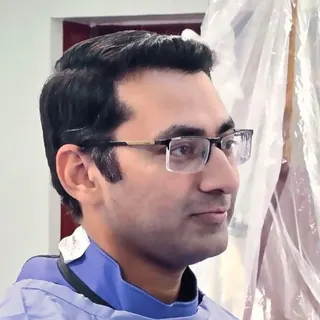
Written for patients of Dr. Azhar ul Hassan Qureshi, Consultant Interventional Cardiologist. Content prepared from current international guidelines · Updated October 2026.
Medical review pending
Key points
- Never stop blood-thinning (antiplatelet) medicines without your cardiologist’s advice.
- Tell your dentist and other doctors that you have a stent.
- Cardiac rehabilitation, activity and risk-factor control protect your heart.
- New or returning chest pain needs urgent attention.
Your medicines
After a stent you will usually take two antiplatelet medicines for a period decided by your cardiologist, followed by one long-term. Stopping them early can cause the stent to block suddenly, which can cause a heart attack. You will also usually take a statin and other medicines that protect the heart. If you have side effects or need a procedure, speak to your cardiologist first.
The first weeks
Follow the specific advice you are given about the puncture site, lifting, driving and returning to work, because this depends on why the stent was placed and how you are recovering. Gradually increase your activity, and contact your doctor about bleeding, swelling or pain at the puncture site.
Dr. Qureshi explains · YouTube
Stent Lagne Ke Baad Yeh 5 Mistakes Ko Avoid Kaise Karein!
Short · 1:21 · Watch on YouTube
More from the channel
Cardiac rehabilitation
Cardiac rehabilitation combines supervised exercise, education and support. It improves fitness and confidence and helps reduce the risk of future events. Ask whether a programme is available to you.
Protecting your arteries for the long term
- control blood pressure, cholesterol and blood sugar
- stop smoking and all tobacco use
- eat a heart-healthy diet and stay active
- keep to a healthy weight
- attend regular follow-up
When to seek help
New, worsening or returning chest pain, severe breathlessness or fainting is an emergency: call 1122. For non-urgent questions about your medicines or recovery, contact the clinic.
Telling other doctors
Always tell your dentist, surgeon or any doctor that you have a stent and are taking antiplatelet medicines before any procedure, and before starting new medicines, including over-the-counter painkillers.
References
- Vrints C, et al. 2024 ESC Guidelines for the management of chronic coronary syndromes. Eur Heart J 2024;45:3415–3537. doi.org/10.1093/eurheartj/ehae177 (opens in a new tab)
- Lawton JS, et al. 2021 ACC/AHA/SCAI Guideline for Coronary Artery Revascularization. Circulation 2022;145:e18–e114. doi.org/10.1161/CIR.0000000000001038 (opens in a new tab)
- Byrne RA, et al. 2023 ESC Guidelines for the management of acute coronary syndromes. Eur Heart J 2023;44:3720–3826. doi.org/10.1093/eurheartj/ehad191 (opens in a new tab)
This guide is general health information, not personal medical advice. If you are worried about your symptoms, speak to a doctor. In an emergency call 1122. Medical disclaimer.
On this page
Book a consultation
- Rawalpindi Institute of Cardiology (RIC), Room 8
- Monday to Friday, 3:00 PM to 8:00 PM
- +92 307 5793387
Keep reading
More patient guides
The symptoms to recognise, and exactly what to do in the first minutes.
What a risk score means, the factors behind it, and the numbers worth knowing.
ECG, troponin, exercise test, echocardiogram and angiography, in plain language.
Book a consultation with Dr. Qureshi
Clinic at Rawalpindi Institute of Cardiology (RIC), Room 8. Monday to Friday, 3:00 PM to 8:00 PM. Call or WhatsApp +92 307 5793387.