Patient guide
Heart Attack Warning Signs: What to Do and When to Call 1122
Knowing the warning signs of a heart attack, and acting immediately, can save a life. This guide explains the symptoms, what to do and what to avoid.
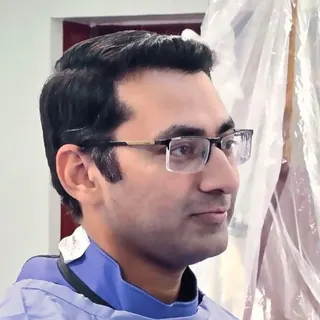
Written for patients of Dr. Azhar ul Hassan Qureshi, Consultant Interventional Cardiologist. Content prepared from current international guidelines · Updated October 2026.
Medical review pending
In an emergency, do not wait. If you have severe chest pain, severe breathlessness, fainting, or other symptoms of a possible heart attack or medical emergency, call 1122 or go to the nearest emergency department immediately. Do not wait for a clinic or online appointment.
The clinic number and WhatsApp are for appointments and non-emergency queries only.
Key points
- A heart attack is a medical emergency. Call 1122 or go to the nearest emergency department.
- Chest pain or pressure is the most common symptom, but not the only one.
- Women, older people and people with diabetes may have less typical symptoms.
- Do not wait to see whether symptoms pass, and do not wait for a clinic or online appointment.
Common warning signs
- chest pain, pressure, heaviness, tightness or burning, often lasting more than a few minutes, or coming and going
- pain or discomfort spreading to one or both arms, the neck, jaw, back or upper abdomen
- shortness of breath, with or without chest discomfort
- cold sweat, nausea or vomiting
- light-headedness, dizziness or fainting
Symptoms can be different in some people
Women, older adults and people with diabetes are more likely to have less typical symptoms, such as breathlessness, unusual tiredness, nausea or discomfort in the upper abdomen, sometimes without obvious chest pain. If something feels seriously wrong, seek help.
What to do, step by step
- Stop what you are doing and sit or lie down.
- Call 1122, or have someone take you to the nearest emergency department immediately.
- Do not drive yourself if you can avoid it.
- Tell the emergency team about your medicines and any allergies, and bring your medicine list and previous reports if they are to hand.
- Do not delay by waiting for a clinic appointment, an online consultation or a reply on WhatsApp.
Dr. Qureshi explains · YouTube
Heart Attack Mein Kya Karein? 5 Galtiyan Bilkul Na Karein | Heart Attack Symptoms & First Aid
Short · 1:25 · Watch on YouTube
More from the channel
Heart attack or panic attack?
Anxiety and panic attacks can also cause chest discomfort, a racing heart and breathlessness. It is not possible to reliably tell the difference at home. If there is any doubt, treat it as an emergency and get checked.
Why one normal ECG is not always the end of the story
In the early hours of a heart attack, the first ECG can be normal. Doctors use repeat ECGs and a blood test called troponin to confirm or rule out a heart attack, which is why proper assessment in an emergency department matters.
After the emergency
After a heart attack, follow-up with a cardiologist, medicines, cardiac rehabilitation and risk-factor control all help to prevent another event. See acute coronary syndromes and primary PCI and life after a stent.
References
- Byrne RA, et al. 2023 ESC Guidelines for the management of acute coronary syndromes. Eur Heart J 2023;44:3720–3826. doi.org/10.1093/eurheartj/ehad191 (opens in a new tab)
- Rao SV, et al. 2025 ACC/AHA/ACEP/NAEMSP/SCAI Guideline for the Management of Patients With Acute Coronary Syndromes. Circulation 2025;151:e771–e862. doi.org/10.1161/CIR.0000000000001309 (opens in a new tab)
This guide is general health information, not personal medical advice. If you are worried about your symptoms, speak to a doctor. In an emergency call 1122. Medical disclaimer.
On this page
Book a consultation
- Rawalpindi Institute of Cardiology (RIC), Room 8
- Monday to Friday, 3:00 PM to 8:00 PM
- +92 307 5793387
Keep reading
More patient guides
What a risk score means, the factors behind it, and the numbers worth knowing.
ECG, troponin, exercise test, echocardiogram and angiography, in plain language.
Blood thinners, recovery, warning signs and long-term protection after angioplasty.
Book a consultation with Dr. Qureshi
Clinic at Rawalpindi Institute of Cardiology (RIC), Room 8. Monday to Friday, 3:00 PM to 8:00 PM. Call or WhatsApp +92 307 5793387.