Interventional Cardiology
Understanding Primary PCI: Emergency Stenting for Acute ST-Elevation Heart Attacks
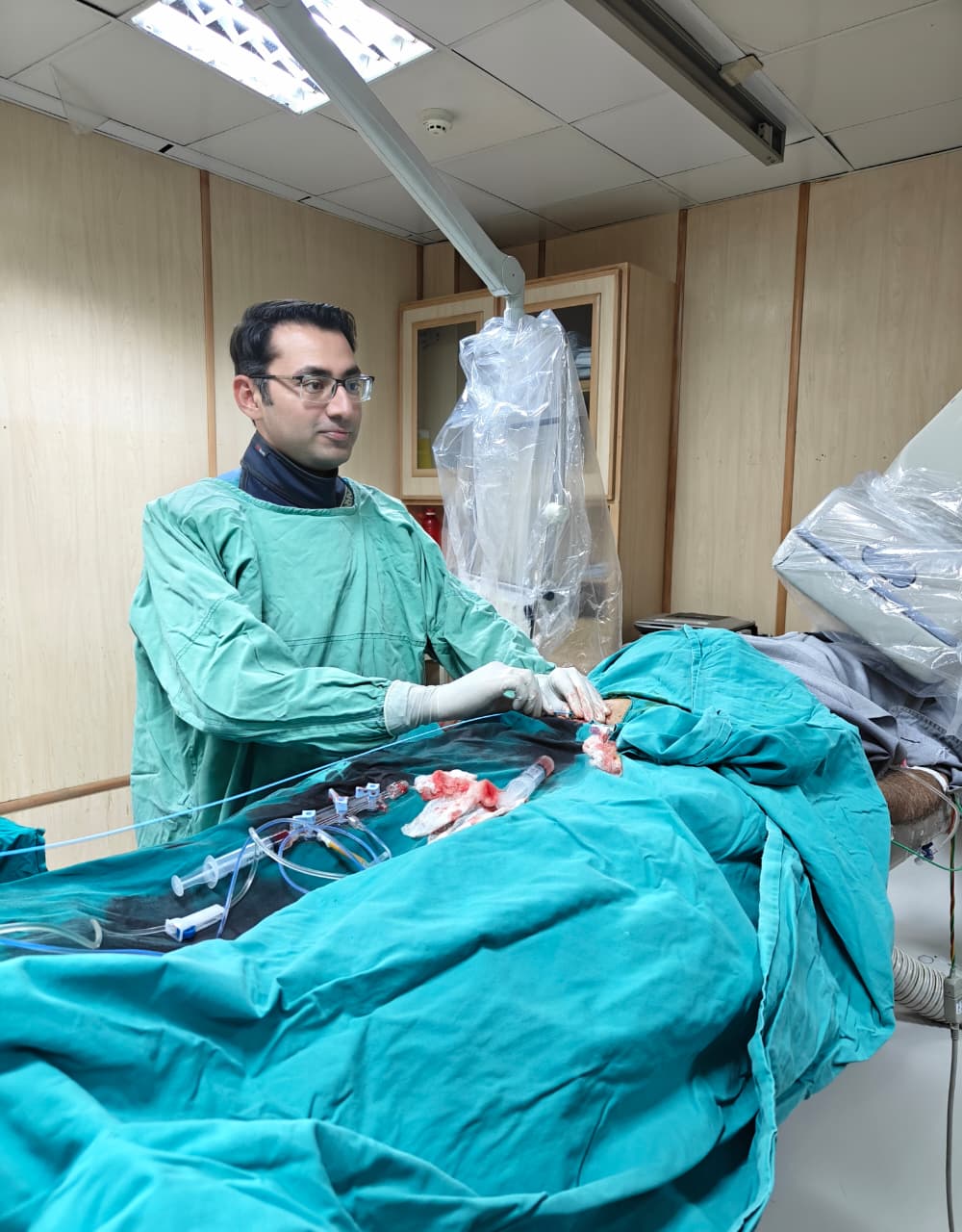
An acute ST-Elevation Myocardial Infarction (STEMI) is an extreme medical emergency. STEMI occurs when an atherosclerotic plaque ruptures inside a coronary artery, triggering a blood clot that completely halts blood flow to the heart muscle. This leads to the death of the muscle.
Key Clinical Takeaways:
- Time is Muscle: Every 30-minute delay in revascularization increases 1-year mortality risk.
- Primary PCI Advantage: Restores mechanical arterial flow faster and safer than clot-dissolving drugs.
- DES Protection: Modern Drug-Eluting Stents prevent restenosis (arterial re-narrowing).
What is Primary Percutaneous Coronary Intervention (PCI)?
Primary PCI is an emergency catheterization procedure performed without prior clot-dissolving drugs to re-open the blocked artery mechanically. In a specialized Cardiac Catheterization Laboratory (Cath Lab), an interventional cardiologist passes a micro-wire across the lesion, dilates the vessel with a balloon, and implants a modern Drug-Eluting Stent (DES).
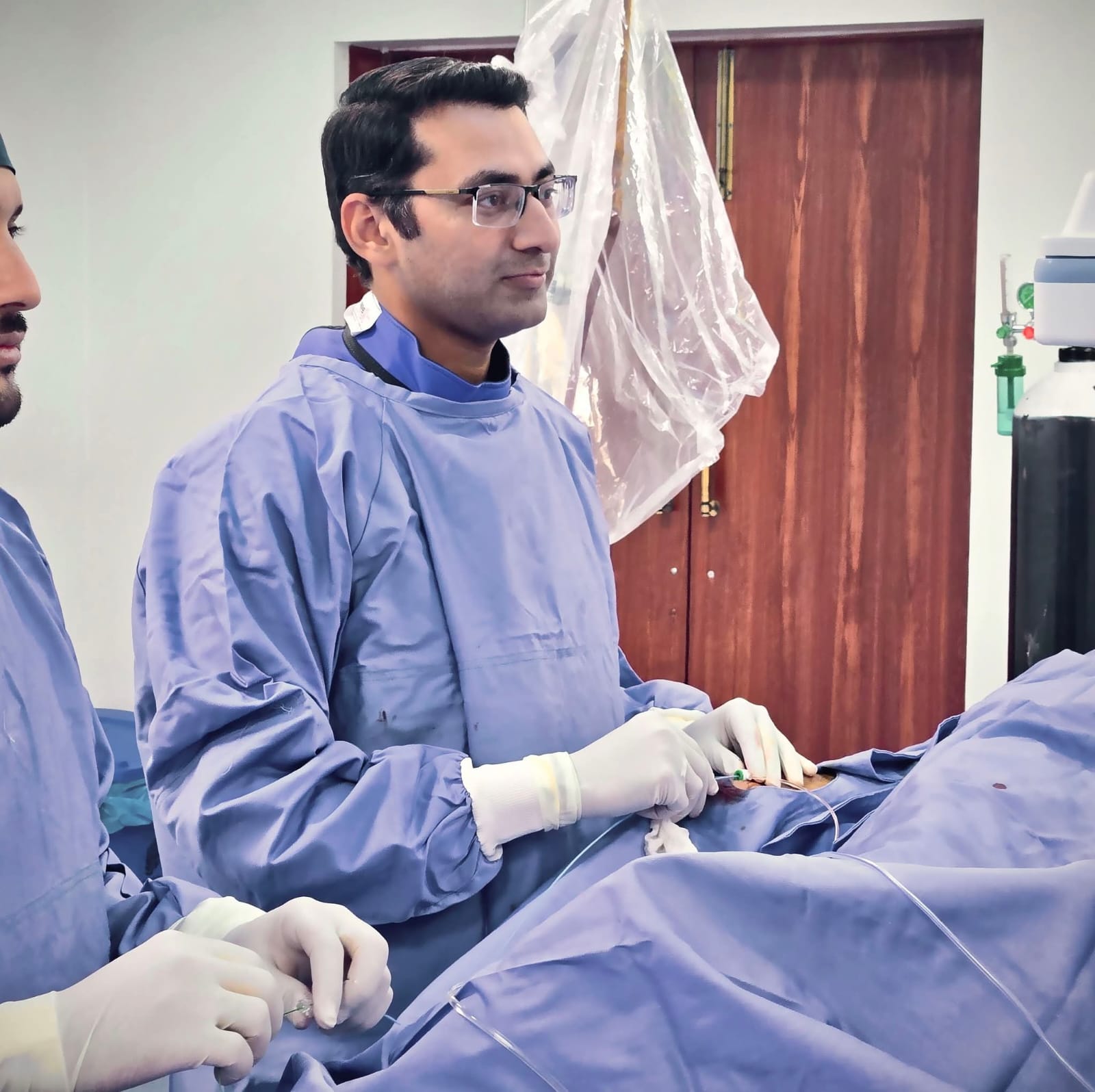
Written by Dr. Azhar ul Hassan Qureshi
MBBS, FCPS Cardiology, FCPS Interventional Cardiology, EECC ESC. Over 2,000 angiograms and 500 PCI procedures performed.
What is primary PCI?
When you're having a heart attack, you are taken to a hospital. At the hospital, the doctor decides if you need an urgent angiography followed by stenting or not. This urgent angiography is called Primary PCI.